

Wall pilates before and after stories have gone viral, promising impressive transformations using nothing more than your body, a mat, and a sturdy wall. But what do these before-and-after photos and testimonials actually mean—and can you expect real body changes from a wall pilates routine? Let’s dig into exactly what’s proven, what’s hype, and how to set yourself up for real results.
Key Takeaways
- Most “wall pilates before and after” transformations are self-reported and visual, not backed by clinical inch loss data.
- Wall pilates can improve posture, core endurance, and muscle tone, but weight loss is mainly diet-driven.
- Common pitfalls include lack of progression, boredom, and form errors—most users need a smart plan to see lasting results.
- 1. The Core Concept: What Is a Wall Pilates Transformation?
- 2. Step-by-Step Guide: Starting and Progressing for Real Results
- 3. Advanced Analysis & Common Pitfalls
- 4. Conclusion
- 5. FAQ
The Core Concept: What Is a Wall Pilates Transformation?
Wall pilates uses a solid wall as a support and resistance tool for a range of Pilates-inspired mat movements. Instead of equipment like a reformer, you use the wall to support your back, feet, or legs during core, glute, and posture-based exercises. This format exploded in popularity across YouTube and TikTok in 2023 and 2024, often paired with “before and after” progress pictures.
While viral posts promise things like “2 inches off your waist in 14 days,” controlled clinical studies haven’t isolated wall pilates as a unique intervention. Instead, experts treat wall pilates as a variation of mat or reformer-based Pilates.
Realistic transformations you can expect? Better posture, enhanced mind-body awareness, more defined glutes and core, and—if matched with good nutrition—some modest fat loss. But the changes tracked are usually visual and functional, not always measured in pounds or inches.
If you’re interested in maximizing body recomposition and fat loss, combining wall pilates with thermogenic fat burner supplements or a fat burning diet can support your overall journey, but the physical benefits of wall pilates alone come mainly from controlled movement and consistency.
Step-by-Step Guide: Starting and Progressing for Real Results
Ready to try wall pilates and chart your own before and after? Here’s how to do it right—plus advanced tips for breaking through plateaus and staying motivated.
1. Set a Clear Goal and Baseline
- Choose your primary intent: posture, core strength, or wall pilates weight loss.
- Snap front and side-view “before” photos, even if you don’t plan to share.
- Optionally, measure waist/hip/chest circumference and note your posture (shoulder height, low-back curve) for future comparison.
2. Pick the Right Program for Your Level
- Beginners: Start with free 15–20 minute routines. Look for certified instructor options on YouTube or TikTok—avoid “AI voiceover” content with no cueing.
- Intermediate: Try 28-day challenges from well-rated apps or instructor channels. Check reviews for feedback about instructional quality and progression.
- If you want to target lower back or pelvic posture, combine wall pilates with anterior pelvic tilt exercises for a comprehensive approach.
3. Frequency and Duration
- 2–4 sessions per week delivers best results for strength and posture.
- 14-day and 28-day “everyday” challenges work, but alternate lighter and harder days to avoid burnout.
- Session length: 15–30 minutes for beginners, up to 45 minutes for advanced users focused on endurance.
4. Track Progress Visually and Functionally
- Retake photos after 14 and 28 days; focus on posture, core, and glute stamina.
- Keep a simple log of moves you can hold longer or do more reps of without losing form.
- Look for everyday shifts: less stiffness, easier stairs, better posture at your desk.
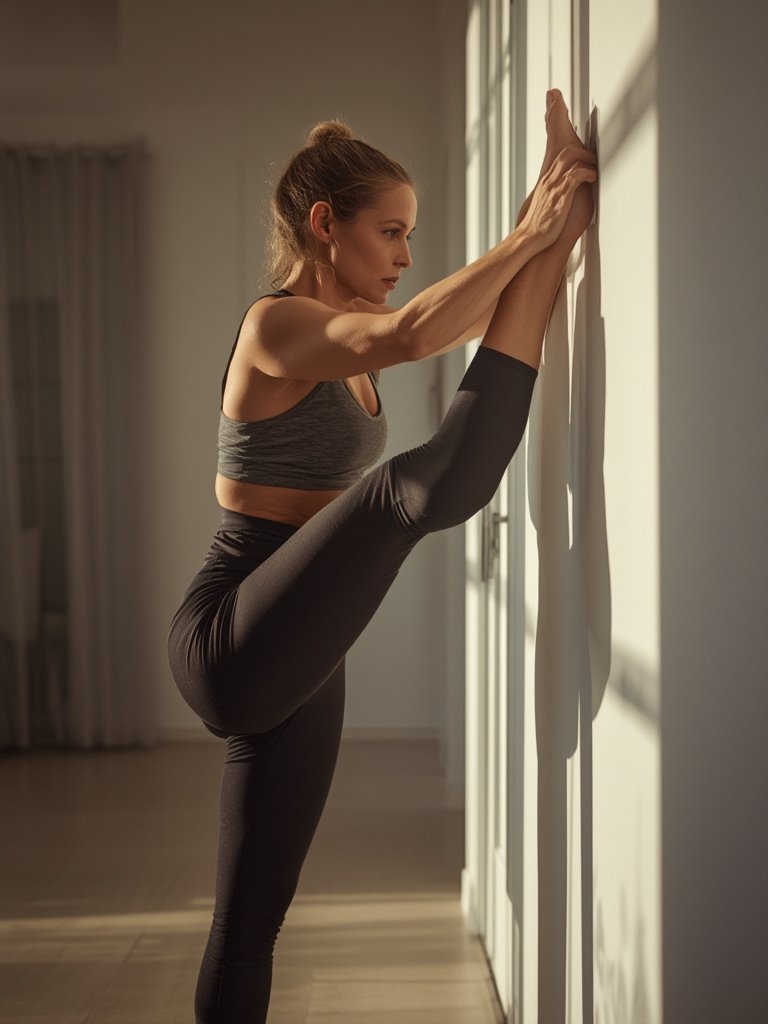
5. Progress to Avoid Plateaus
- Change angles (elevate feet, vary wall contact points).
- Slow the tempo or add pauses at peak contraction.
- Incorporate mobility flows or resistance bands once the basics feel easy.
- Consider pairing a wall pilates routine with a zone 2 cardio session 2–3 times per week for extra calorie burn.
6. Combine With Healthy Nutrition
- For real “before and after” fat loss, nutrition is key. Track calories or follow a metabolism-boosting plan built around foods that boost metabolism.
- Remember: Pilates alone is rarely enough for dramatic scale movement without dietary changes.
7. Reflect and Adjust Every 4 Weeks
- Be honest—if you get bored, switch instructors or style, or bring in props like weighted balls.
- If you only see posture gains (not scale drop), that’s normal for a low-impact strength routine.
Advanced Analysis & Common Pitfalls
Most “wall pilates before and after” frustration stems from unrealistic expectations or common mistakes. Here’s what the latest user reports and expert reviews reveal:
| Issue | What Happens | How to Fix It |
|---|---|---|
| Imprecise tracking | Visual change is subjective; no reliable “inches lost” data | Use both photos and functional markers (posture, control, holds) |
| Boredom/repetition | Doing the same 14-day challenge repeatedly feels stale | Add thermogenic workout blocks or new wall variations for variety |
| Form errors/injury | Poor technique leads to back or hip pain, common in home routines – see Women’s Health review | Follow certified instructor videos and pause if you feel joint discomfort |
| App pitfalls | Paywalls, buggy apps, no routine customization—see user reviews | Leverage free YouTube playlists or seek app trials before subscribing |
| No formal progression | Challenging beginner movements become too easy after 4 weeks | Advance with resistance, slower tempo, or integrate myofascial release routines |
| Poor psychological framing | Focusing only on weight or “flat abs in 14 days” misses deeper growth | Track gains in mood, body confidence, mobility—not just external shape |
Instructors warn that unsupervised wall pilates can overload your spine or reinforce shallow breathing if you lack professional feedback. Especially for those with chronic low back pain or previous injury, consider combining wall drills with input from a trained Pilates teacher.
App users often run into issues like limited free content, paywalls, and technical bugs in wall pilates challenge apps. One-off subscription costs can add up quickly, so preview content and check reviews before committing. Sometimes, the lack of personalization makes it hard to stay motivated after the initial challenge ends. For a more structured, outcome-driven approach, some pair wall pilates with progressive routines or metabolic-boosting programs such as walking workouts like 12-3-30.
For deep analysis of how slow posture-driven change can impact self-perception and body image, competitor articles rarely provide actionable strategies. If this resonates with you, consider integrating wall pilates as part of a longer-term recovery or self-confidence plan—a key area missed by most generic “before and after” coverage.
Conclusion
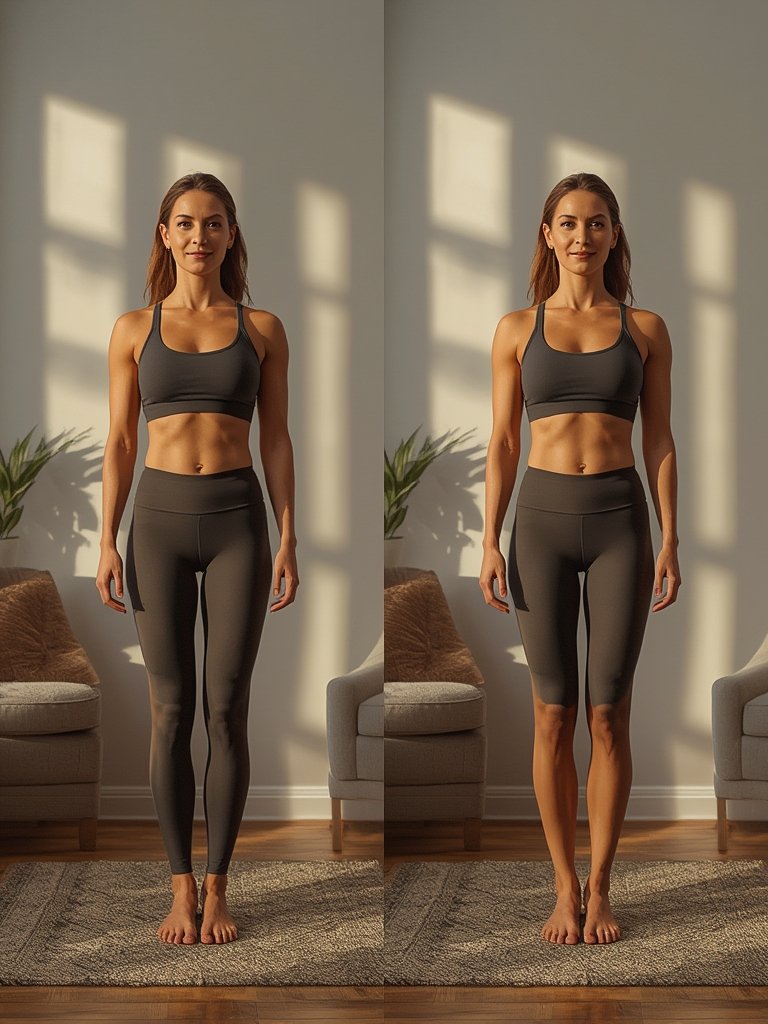
Wall pilates before and after stories are largely shaped by visual testimonials and subjective progress, not precise numbers. For most users, the standout benefits are improved posture, muscle tone, core control, and functional mobility—with modest weight loss when paired with better eating. To maximize your own transformation, set realistic tracking methods, master your form, and incorporate variety in your routine.
Curious about optimizing your home results? Explore our guides on GLP-1 weight loss mechanisms, fat burner supplements for men, and mobility routines for fat loss for a full-body approach. Start your wall pilates journey now—and share your progress!
FAQ
Can wall pilates help me lose belly fat?
Wall pilates can aid fat loss by increasing daily movement and toning the core, but real “belly fat” reduction is mainly achieved through a calorie deficit. Combining wall pilates with diet changes and other activities will give better results.
How soon can I see results from wall pilates?
Most users report improved posture and muscle control within 2 weeks. Measurable waist or body changes typically show up after 4 to 8 weeks, especially when paired with healthy nutrition and consistent effort.
Is wall pilates safe for beginners?
Yes, but alignment is crucial. Beginners risk back or hip discomfort if form breaks down. Use beginner-focused videos from certified instructors and stop if you feel joint pain.
Are there free wall pilates routines that actually work?
There are many free wall pilates playlists on YouTube and TikTok with full routines. Choose those led by certified instructors for the safest cues and best progression. Avoid “AI-generated” or low-cue content for form safety.
What equipment do I need for wall pilates?
All you need is a clear wall and a soft mat. Optional extras include mini resistance bands or a small pilates ball for increased challenge as you advance. No expensive machines are required.