

Zone 2 cardio fat loss is one of the most searched approaches for sustainable fat loss and better health, but current science reveals both opportunities and realistic limits. The idea of burning more fat at a low heart rate is popular—but what does the latest evidence actually show about its effect on real body fat loss?
Key Takeaways
- Zone 2 cardio maximizes fat usage during exercise, but is not superior to high-intensity training for long-term fat loss if total calories burned are matched.
- Consistent zone 2 training is easier to recover from and more sustainable, making it helpful for overall health, metabolic flexibility, and adherence.
- Realistic weight loss from zone 2 alone is modest without dietary change—energy balance is the key driver for fat loss.
- What Is Zone 2 Cardio Fat Loss and Why Does It Matter?
- Step-by-Step: How to Do Zone 2 Cardio for Fat Loss at Home
- Advanced Analysis & Common Pitfalls in Zone 2 Cardio Fat Loss
- Conclusion
- Frequently Asked Questions
What Is Zone 2 Cardio Fat Loss and Why Does It Matter?
Zone 2 cardio is a moderate-intensity aerobic workout, typically at 60-70% of your maximum heart rate, sitting just below the “first lactate threshold.” It’s the sweet spot where your body burns a higher percentage of fat for fuel compared to carbohydrates. The main attraction? Zone 2 makes it possible to exercise for longer periods using mainly fat, while staying at an intensity that’s easy to recover from and unlikely to burn you out.

Recent reviews, including a 2024 methodological analysis, confirm that zone 2 training maximizes fat oxidation during the session—meaning a higher proportion of calories burned are from fat. However, when you compare steady-state zone 2 to HIIT or other higher-intensity formats while matching total calories burned, there’s no significant difference in the total amount of fat lost over time (see summary). You get better mitochondrial health, endurance, and metabolic flexibility from zone 2, but not a unique “fat loss boost.”
According to a broad analysis in JAMA Network Open and similar recent reviews, at least 150 minutes of weekly aerobic exercise—regardless of exact zone—consistently delivers modest reductions in fat percentage and waist circumference. The main advantages of zone 2 are easier recovery, less carbohydrate depletion, and better consistency for most people.
Step-by-Step: How to Do Zone 2 Cardio for Fat Loss at Home
Setting up an effective, affordable, and hassle-free home routine for zone 2 cardio focuses on three pillars: correct intensity, choosing practical equipment, and nailing your schedule.
- Calculate (Then Verify) Your Zone 2 Heart Rate:
– Start with a ballpark: 60-70% of your maximum HR (roughly 220 minus your age). But formulas have big errors for individuals.
– For best accuracy, use a chest-strap monitor and observe your effort: zone 2 should feel “conversational”—you’re breathing harder but not struggling.
– For those wanting ultimate precision, consider metabolic testing once at a local clinic to establish your exact FatMax zone. - Choose Sustainable Equipment:
– Low-impact home cardio: walking treadmill (under-desk), stationary bike, stepper, or even brisk outdoor walking.
– Budget options: basic bikes (~$150–400), mini-steppers (~$60–200), under-desk treadmills (~$200–500). See our upcoming guide on natural fat burning foods to fuel longer cardio with ease.
– If space is tight, rotating between different low-impact activities helps avoid overuse injuries. - Set a Realistic Schedule:
– Target 3-5 sessions per week, 30–60 minutes each (moderate zone 2 is designed for duration, not sprints).
– Consistency is more important than perfection; don’t worry if you can’t reach 5 days every week.
– Track sessions with a simple calendar or app—logging your effort builds motivation and accountability.
– You can pair zone 2 with 1–2 HIIT or thermogenic workout routines (if desired) to save time without sacrificing fat loss, as shown in studies comparing steady vs. interval training. - Monitor Progress & Adjust:
– Use heart rate, distance, or time as your main metric—not speed or calories.
– As you improve, the same zone 2 effort will feel easier, and you’ll move faster or further at the same HR.
– Check your waist measurement every 4–6 weeks for a tangible result marker.
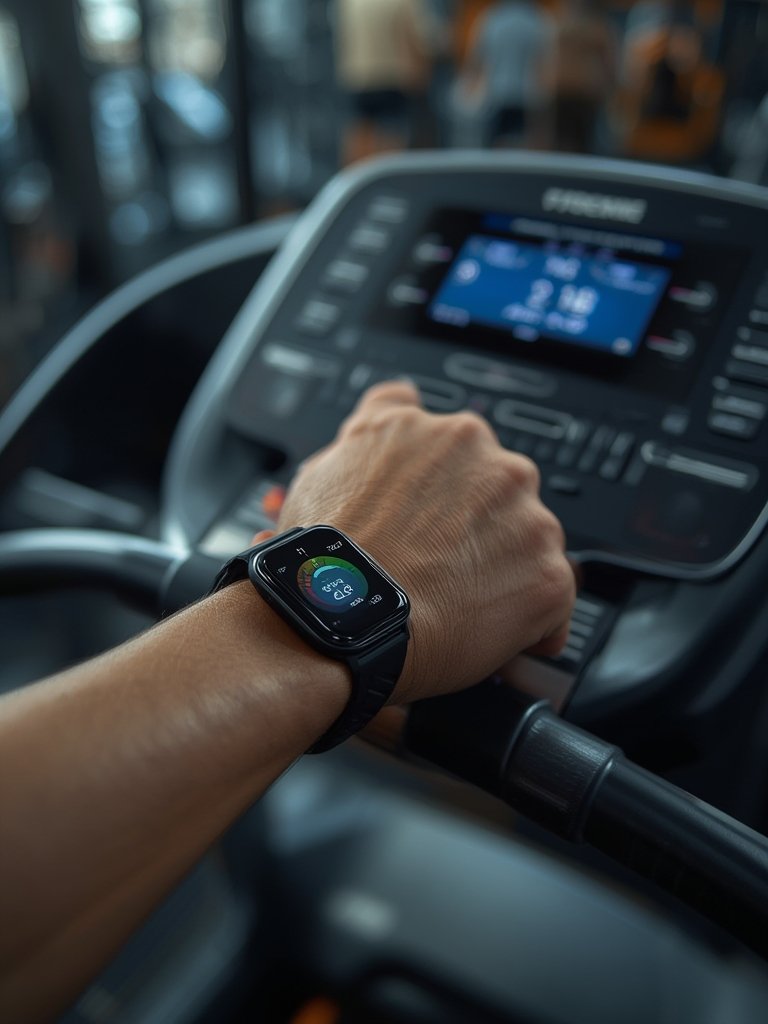
For even greater results over time, combine your zone 2 base with nutrition upgrades such as adding more foods that boost metabolism or reviewing our top fat burner supplements for men if you’re seeking an edge (always focus on safety and long-term progress).
Finally, don’t ignore adherence. Zone 2 is boring for some—make it engaging with audiobooks, podcasts, or training buddies. Remember, fat loss from cardio is modest on its own, but zone 2 makes consistency possible and burnout rare.
Advanced Analysis & Common Pitfalls in Zone 2 Cardio Fat Loss
Zone 2 cardio isn’t magic—and certain traps can stall, frustrate, or even risk your fat loss journey. Here are the most common problems seen in the latest science and real-world reports:
- Heart Rate Formula Errors: Generic 60-70% HR max guidelines can put you too high or too low. Some users end up in zone 3 without realizing, losing the promised low-fatigue, sustainable benefits of true zone 2. If possible, get a metabolic “FatMax” test once, or use the talk test and chest strap for the best DIY accuracy. (More in this scientific review.)
- Overestimating Fat Loss: Even high volumes of zone 2 burn less fat than dramatic before-after stories suggest. Most trials show an average of 0.1–0.25 kg/week lost from the exercise alone at 150–300 min/week, much more if combined with diet change. Expect realistic results to avoid disappointment.
- Boredom and Dropout: The biggest barrier for home zone 2 is finding the mental energy for 45–60+ minute sessions, several times per week. This is where many succeed with short HIIT or walking workouts for fat loss as alternative or supplementary routines.
- Equipment & Space Issues: Many avoid zone 2 at home due to noise, space limits, or device cost. Mini-steppers or under-desk treadmills are less expensive and fit most apartments, but if you can’t afford these, brisk outdoor walking works just as well.
- Medical Contraindications: Anyone with heart, severe metabolic, or orthopedic conditions should get a checkup before starting high-volume aerobic training unsupervised. Read more on safe aerobic training for at-risk individuals.
| Feature | Zone 2 Cardio | HIIT / Zone 3+ |
|---|---|---|
| Fat as fuel (%) | 40–70% | 20–40% |
| Total fat loss (matched calories) | Similar to HIIT | Similar to Zone 2 |
| Session length | 45–90 min | 15–30 min |
| Fatigue & recovery | Low fatigue, fast recovery | High fatigue, longer recovery |
| Risk of boredom | Higher (long sessions) | Lower |
| Equipment required | Basic (bike, treadmill, stepper, walk) | Any (bodyweight, equipment optional) |
| Best for | Consistency, health, adherence | Time savings, variety |
Another common pitfall is confusing “fat-burning now” with true body fat loss. Even if you burn a higher % of fat during zone 2, what matters for actual body composition is your overall calorie deficit—not the substrate mix during a session. See our deep dive into GLP-1 weight loss mechanisms for a powerful comparison of how metabolism, not just fuel source, determines result size.

Conclusion
Zone 2 cardio is an effective tool for fat loss, metabolic health, and endurance—but not a magic shortcut. Its sustainable pace, high fat usage during exercise, and rapid recovery make it easy to repeat, increase weekly burn, and improve health. However, scientific evidence from reviews in 2022–2024 consistently shows zone 2 cardio fat loss does not significantly outperform higher-intensity cardio or HIIT when calories burned are matched.
If you want to maximize your home results, focus first on energy balance, then use zone 2 for its recovery and adherence perks. Set realistic goals, track your progress, and consider supplementing with proven strategies like thermogenic fat burners or mobility workouts for fat loss if you need joint-friendly or time-saving options. Always check with your doctor if you have underlying health risks.
Ready to make your cardio routine more effective, evidence-based, and enjoyable? Start applying these zone 2 strategies at home and boost your results the sustainable way.
Frequently Asked Questions
How much fat can I realistically lose with home zone 2 cardio?
Most evidence suggests 0.1–0.25 kg (0.2–0.5 lbs) of fat loss per week from zone 2 cardio alone, assuming 150–300 minutes per week and no major diet change. Faster loss is possible if you combine exercise with a calorie-controlled diet.
Is zone 2 cardio better than HIIT for fat loss?
No, not when total energy expenditure is the same. Studies from 2022–2024 show similar fat loss outcomes if you match calories burned. HIIT is faster per session, while zone 2 is easier to recover from and repeat often.
What’s the most affordable way to track zone 2 at home?
Use a chest-strap heart rate monitor (usually $40–80) for best accuracy. If that’s not possible, use the “talk test”—if you can speak full sentences but not sing, you’re likely in the right zone. Budget equipment like mini-steppers or under-desk treadmills also help.
Can I do zone 2 cardio if I have joint or heart problems?
Usually, yes, but consult your doctor before starting. Opt for low-impact activities like cycling or walking if you have orthopedic problems. If you have heart disease or symptoms, always get medical clearance first.
Does more fat burned during exercise always mean greater fat loss?
No. While zone 2 burns more fat as a fuel source during the workout, the key to body fat loss is creating an overall calorie deficit over time. The total calories burned still matter most.