

Zone 2 cardio fat loss is one of the most talked-about approaches in fitness right now, but many still misunderstand how—and if—it truly works for sustainable fat loss. This guide breaks down what the science actually says, clears up common mistakes, and gives you a practical, realistic strategy to get results at home.
Key Takeaways
- Zone 2 cardio burns fat at a rate similar to higher intensities when weekly calories are equal but is easier to stick with and recover from long term.
- Proper fat loss comes from energy balance—combining Zone 2 with diet and resistance training prevents muscle loss and boosts metabolic health.
- Real-world success requires accurate heart rate tracking, the right equipment, and strategies to minimize boredom and time barriers.
- What Is Zone 2 Cardio for Fat Loss (and Why Does It Work)?
- Step-by-Step Guide: Setting Up a Home Zone 2 Cardio Routine
- Advanced Analysis and Common Pitfalls in Zone 2 Cardio Fat Loss
- Conclusion and Next Steps
- Frequently Asked Questions
What Is Zone 2 Cardio for Fat Loss (and Why Does It Work)?
Zone 2 cardio refers to a moderate, steady exercise intensity—usually about 60 to 70 percent of your maximum heart rate—that is below the threshold where you become short of breath or build up lactic acid. In practice, it’s a pace where you can keep a conversation, might break a light sweat, and feel like you could go for a long period. This targets the “fatmax” zone, where your body relies heavily on fat for fuel while also building long-term aerobic capacity.

Modern research (2022–2024) shows that when you control for weekly calorie burn, Zone 2 and higher-intensity intervals produce similar total fat loss. However, Zone 2 is often easier to sustain, recover from, and fit into busy or joint-limited lifestyles. Those advantages make adherence (actually showing up and doing the work) much higher for many people. Zone 2 also uniquely supports aerobic base, mitochondrial function, and metabolic health, which lay the foundation for future fat loss and fitness adaptations.
Most people get better results sticking with Zone 2 routines over months—for fat loss, heart health, and mood—compared to more intense protocols that can burn users out. But the method is not magic: losing fat still requires managing calories and being consistent with your routine.
For additional fat loss support, some people combine Zone 2 with thermogenic fat burner supplements or experiment with different natural fat burning foods for a metabolism boost.
Step-by-Step Guide: Setting Up a Home Zone 2 Cardio Routine
- Pick Your Cardio Modality
Choose a modality that is realistic and joint-friendly. The best choices for at-home Zone 2 cardio are treadmill walking (flat or slight incline), stationary cycling, elliptical, rowing, or even outdoor brisk walking if you have safe access. - Get Accurate Heart Rate Tracking
Use a reliable heart rate monitor—ideally a chest strap for accuracy, especially at lower intensities. Wrist wearables are convenient but less precise and can drift or lag behind actual heart effort. Make sure your tracking app or watch can display real-time heart rate and log time within your target Zone 2 range. - Calculate (or Estimate) Your Zone 2 Range
A classic estimate for Zone 2 is 60–70 percent of your max heart rate. An easy but rough formula: 220 minus your age, then multiply by 0.6 and 0.7 to get your Zone 2 range in beats per minute. For best results, use fitness apps that personalize zones, or have your zones set after a graded treadmill test. - Start with Manageable Sessions
Aim for at least 30 minutes per session. Over time, gradually build up to 45–60 minutes if you can, 3 to 5 times a week. If you’re tight on time, two 20–30 minute bouts per day can supply similar benefits, but longer, continuous sessions maximize fat oxidation. - Monitor Intensity and Adjust
Pay attention to your heart rate—not just how you feel. It’s easy to drift out of Zone 2 without realizing it. If your heart rate creeps up, slow your pace or lower resistance as needed. Consistency is more important than intensity spikes. - Integrate Strength Training and Nutrition
To prevent muscle loss and get the best fat loss results, include resistance training 2 to 3 times per week and make sure you’re in a slight calorie deficit. Zone 2 alone will not maximize fat loss or body composition changes if you ignore diet, overall activity, or muscle maintenance.
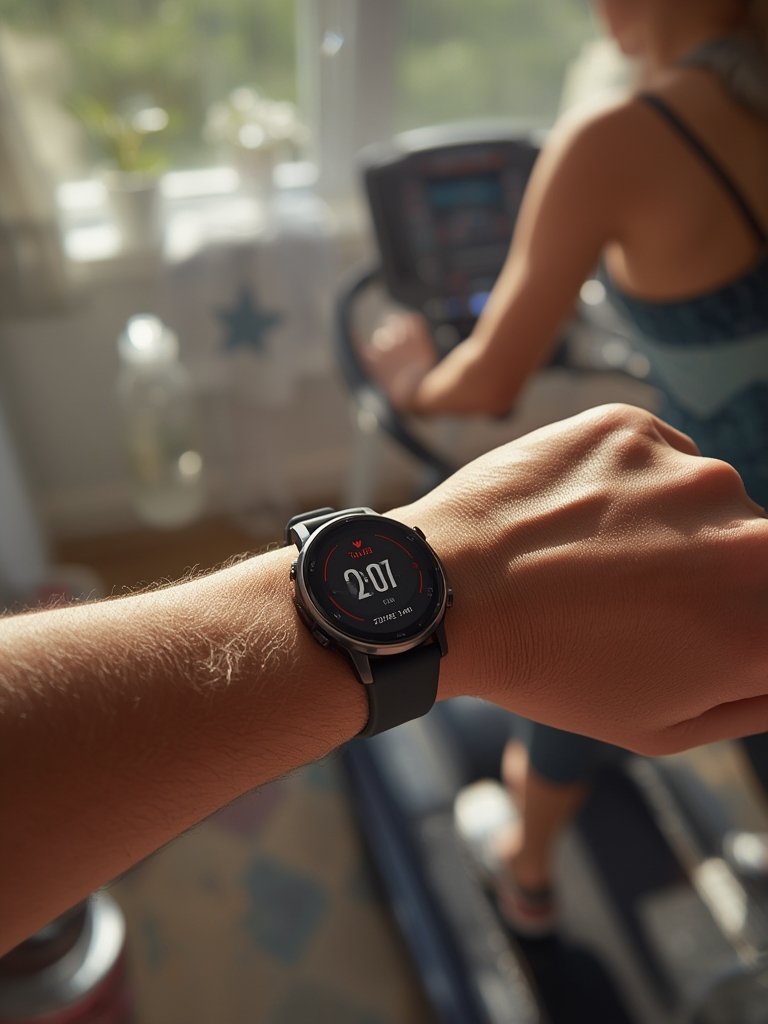
For best tracking, invest in a chest strap HRM and use trustworthy fitness apps. Entry-level heart rate monitors in 2024 cost around USD $50–$120, and you don’t need a gym membership.
If you need more variety, try adding a thermogenic workout routine or the trending 12-3-30 treadmill workout to your cardio lineup for occasional higher-intensity days.
Advanced Analysis and Common Pitfalls in Zone 2 Cardio Fat Loss
Zone 2 cardio is powerful, but real-world implementation is not always easy. Here are the most realistic pitfalls and how they compare to other methods:
| Challenge | Zone 2 Cardio | HIIT (High-Intensity Interval Training) |
|---|---|---|
| Adherence (long-term consistency) | High (sessions are easier, less draining, more sustainable) | Moderate to low (many drop off due to intensity and fatigue) |
| Time requirement per session | 30–60+ min per session | 10–25 min per session |
| Equipment need at home | Requires steady cardio machine or easy-to-control outdoor route; accurate HR tracking essential | Bodyweight or minimal gear; can use apps—HR tracking less critical |
| Typical user mistakes | Training too hard (drifting out of Zone 2), not tracking HR, not progressing volume, ignoring diet | Poor pacing, overtraining, injuries, not sticking with sessions |
| Boredom | Common (especially for home users without entertainment) | Less likely (varied and fast-paced) |
| Effect on muscle mass | May risk muscle loss if done in high volume without strength training | Potentially better for muscle maintenance due to greater stimulus, but depends on total program |
Common real-world pitfalls include:
- Judging Zone 2 by “feel” only: Many people end up training too hard or too easy. Use your HR monitor and regularly validate your zone as fitness improves.
- Assuming more Zone 2 always means more fat loss: If you aren’t in an energy deficit, or if you skip strength training, you may lose lean mass instead of fat. For best results, combine Zone 2 with a modest diet adjustment and weights.
- Ignoring individual variability: Research shows the “fatmax” intensity can be much lower or higher than 60–70 percent HRmax for different people. Personalize your approach and adjust as you see results.
- Monotony and burnout: To stick with it, find ways to layer in new routines, outdoor options, or periodize your weekly training. Variety prevents mental fatigue and boosts adherence.

Want to add more fat-burning variety and fight adaptation? Consider low-impact alternatives from our mobility workout for fat loss guide or recover smarter using a fascia release workout to support active recovery.
For an in-depth look at how Zone 2 compares to other methods, see expert analysis at ArmourBody and a comprehensive research summary from Form Nutrition.
Conclusion and Next Steps
Science supports that, for most people, Zone 2 cardio is as effective as higher-intensity training for fat loss—if you match total energy burned and stick with it. The main advantages are better long-term adherence, recovery, and access for people at any fitness level. Real success with zone 2 cardio fat loss means combining accurate heart rate monitoring, thoughtful session planning, resistance training, and modest diet tweaks. If you’re ready to take your results higher, try blending your Zone 2 plan with structured nutrition using fat burner supplements for men (if appropriate), or build up your endurance safely with our curated anterior pelvic tilt exercises and vagus nerve reset exercises for even better health outcomes.
Start your Zone 2 routine this week. Make your plan, track your progress, and adjust as you go—for sustainable, healthy fat loss that lasts.
Frequently Asked Questions
How do I know if I’m really in Zone 2?
The most reliable method is to use a chest strap heart rate monitor and target 60 to 70 percent of your maximum heart rate. A common mistake is trusting only your perceived effort; especially as you get fitter, steady cardio can feel “too easy” even as you’re in the right zone.
Can I just walk for Zone 2 cardio fat loss?
Absolutely—brisk walking, especially on flat ground or a slight incline, is a great way to stay in Zone 2, especially if you accurately monitor your heart rate. Outdoor routes may require pace adjustments for hills or wind to keep your heart rate steady.
How long until I see results from Zone 2 cardio?
Most people start noticing measurable improvements in aerobic fitness after 4 to 6 weeks, and visible fat loss if they pair Zone 2 with a modest calorie deficit. For noticeable body changes, expect at least 8 to 12 weeks of consistent, 150 to 300 minutes per week of Zone 2 cardio.
Do I still need to lift weights if I’m doing a lot of Zone 2?
Yes. Without resistance training, large volumes of Zone 2 in a calorie deficit can lead to muscle loss. Strength training preserves (and can build) muscle, which keeps your metabolism higher and improves body composition over time.
Is Zone 2 effective if I’m older, overweight, or a complete beginner?
Yes. Research shows Zone 2 is very accessible for almost all ages and ability levels. It’s low impact, easier on the joints, and suitable for people who cannot safely do high-intensity intervals. Always check with your healthcare provider before starting if you have health concerns.