

Anterior pelvic tilt exercises are one of the most searched and debated methods for fixing posture, lower back pain, and body imbalance in today’s remote work era. Whether your goal is to feel better, stand taller, or move with less discomfort, evidence-based routines can make a real difference—but only if you know what actually works (and what doesn’t).
Key Takeaways
- Consistent anterior pelvic tilt exercises can improve posture and reduce pain, but only when done with correct form and complete routines.
- Most “APT fixes” need at least 4–10 weeks of practice for real results, not just a few days of stretches.
- Self-correction can be done at home for low cost, but common mistakes often slow or reverse progress—know the pitfalls before you start.
- What Is Anterior Pelvic Tilt (APT) and Why Does It Matter?
- Step-by-Step: How to Fix Anterior Pelvic Tilt at Home
- Advanced Analysis & Common Pitfalls
- Conclusion
- FAQ
What Is Anterior Pelvic Tilt (APT) and Why Does It Matter?
Anterior pelvic tilt means your hip bones tilt forward and your lower back arches more than usual. This posture can make your belly stick out, your butt curve more, and may cause back pain or hip tightness. Sedentary work and long periods of sitting can cause hip flexors to tighten and glute/core muscles to weaken, creating this imbalance.
Most physical therapists agree that fixing anterior pelvic tilt involves stretching tight hip flexors and quads, while strengthening glutes, hamstrings, and the deep core. Better pelvic awareness and motor control are also essential. The result? More balanced movement, less pain, and a stronger foundation for any activity.

Step-by-Step: How to Fix Anterior Pelvic Tilt at Home
Follow these steps to build an effective home routine. Consistency, patience, and proper technique are key—don’t rush the process or chase instant results.
-
Stretch Tight Hip Flexors and Quads
- Half-kneeling hip flexor stretch (hold 30 seconds per side, 2–3 sets).
Source - Table/Thomas stretch for the hip flexors (hold, breathe, don’t arch the low back).
- Half-kneeling hip flexor stretch (hold 30 seconds per side, 2–3 sets).
-
Activate and Strengthen the Glutes and Hamstrings
- Glute bridge: Lie on back, feet flat, focus on raising your hips using your glutes (not low back). Pause at the top, slowly lower. 2–3 sets of 10–15.
Clinic protocol - Bodyweight squats, focusing on neutral spine and glute drive (don’t let knees cave in).
- Glute bridge: Lie on back, feet flat, focus on raising your hips using your glutes (not low back). Pause at the top, slowly lower. 2–3 sets of 10–15.
-
Train Posterior Pelvic Tilt and Core Control
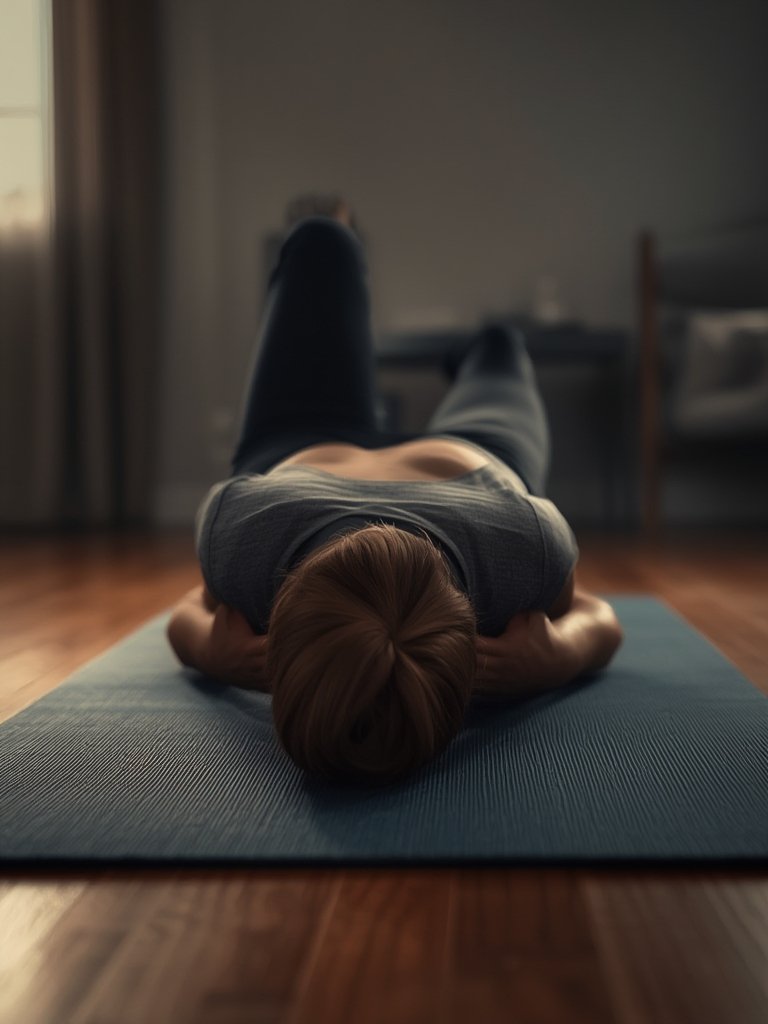
- Supine pelvic tilt: Lie on your back, bend your knees, gently press your lower back into the floor by tilting your pelvis backward. Feel your abs engage. 2–3 sets of 10–15.
- Bird dog: On all fours, slowly lift opposite arm and leg while keeping hips level and core braced. 2 sets of 8–12 per side.
-
Build Awareness of Neutral Spine
- Practice switching between “arched,” “tucked,” and neutral spine while standing or sitting, so you learn “just right” position. Use cues from videos like this PT guide.
-
Integrate Movement Breaks and Posture-Friendly Habits
- Take regular movement breaks if you sit long hours. Adjust your chair so hips and knees are about level and feet are flat.
-
Start Small, Progress Slowly
- Begin with just 10–20 min per day. Repeat the full routine at least 3–4 days per week for best results.
Need ideas for progression or want to keep working on other key areas? Check out our guides on thermogenic workout routines or mobility workout for fat loss for more home exercise options.
Advanced Analysis & Common Pitfalls
Recent research and hundreds of user stories reveal several issues and false starts that commonly slow or stall progress with DIY anterior pelvic tilt exercises. Use this advanced checklist to avoid frustration:
| Pitfall | What Really Happens | How to Fix It |
|---|---|---|
| Over-focusing on stretching alone | Little or no change after weeks. Hip flexor tightness returns quickly. | Add targeted glute, hamstring, and core strengthening to every session. Details |
| Ignoring exercise form or using too much lumbar movement | More lower back pain, no improvement in neutral spine control | Learn to move the pelvis (not the back). Use mirrors or video and practice slow, controlled reps. |
| Believing “APT is only a muscle issue” | Some see little change due to underlying bony anatomy or spinal asymmetries. | If there’s no improvement after 2–3 months, or posture looks truly different side-to-side, consider a professional assessment. |
| Stopping routine too soon | Partial improvement fades or doesn’t “stick.” | Stay consistent for at least 4–10 weeks—not just a few days. Integrate into regular workouts for maintenance. |
| Chasing “perfect posture” or over-tucking pelvis all day | Discomfort, new pain, sense that posture is “never perfect” | Aim for a neutral pelvis and varied positions—not a fixed arch or tuck. Posture is dynamic, not a statue. |
Even the best home program can fail if you don’t adapt it to your own body and habits. For more on unrecognized pitfalls, see wall Pilates before and after stories, as Posture Pilates concepts overlap with APT challenges.
Not sure if your pain or posture is actually due to anterior pelvic tilt? Many people confuse “duck butt” APT with swayback, lordosis, or even basic lumbar extension. When in doubt, objective measurements (like inclinometer apps or professional assessment) help, but this is almost never discussed in mainstream guides. See the 2023 exploratory study for examples of scientific pelvic tilt measurement and why muscular correction works in most— but not all—cases.

Conclusion
Anterior pelvic tilt exercises work best when you combine targeted stretches, strength work, and better movement habits—consistently, over 4–10 weeks. Quick-fix routines rarely solve the problem for good. Don’t ignore your form, don’t skip steps, and be honest about when outside help is needed.
Ready to stand taller and feel stronger? Start incorporating any of these evidence-based anterior pelvic tilt exercises today. For a full-body approach, see our resources on fat burner supplements for men or try out somatic exercises for weight loss if stress and mind-body tension play a role in your posture.
Try this home protocol, be consistent, and if you get stuck, don’t guess—seek expert guidance before pain or frustration increase. Your future posture and comfort are worth it.
FAQ
How long does it take to fix anterior pelvic tilt at home?
Most people notice improvement in posture and pain within 4–10 weeks, doing 10–20 minutes of exercises 3–5 times a week. Consistency matters more than intensity. Some see benefits in as little as 2 weeks, but long-term change takes time.
Can I fix anterior pelvic tilt without professional help?
In many cases, yes—especially for mild pain or early posture changes. Follow a complete, guided routine and use good form. If pain worsens or no progress after 2–3 months, get a professional assessment.
What’s the biggest mistake people make with anterior pelvic tilt exercises?
Over-focusing on stretching and ignoring strength training is the top error. Others include poor form, inconsistent practice, or trying to find a “perfect” posture instead of aiming for neutral and dynamic movement.
Are these exercises safe for everyone?
Most healthy adults can safely do basic APT routines, but those with significant back pain, nerve symptoms, or known spinal conditions should check with a physical therapist before starting.
How can I track progress beyond just looking in the mirror?
Take side-view photos, use a smartphone inclinometer app to estimate pelvic angle, or use a checklist for symptoms (pain, stiffness, ease of movement). Objective tracking improves motivation and results.