

### Blog Post:
12-3-30 treadmill workout exploded in popularity because it promises low-impact fat burning for beginners—yet the real science reveals some important caveats most social media clips miss. If you want clear, actionable guidance based on current 2025 research, read on before you start or tweak your routine.
Key Takeaways
- The 12-3-30 treadmill workout is proven to burn ~220 kcal in 30 minutes and uses a higher proportion of fat for energy compared to running.
- Most beginners should start below
- The Core Concept
- Step-by-Step Guide
- Advanced Analysis & Common Pitfalls
- Conclusion
- FAQ
The Core Concept
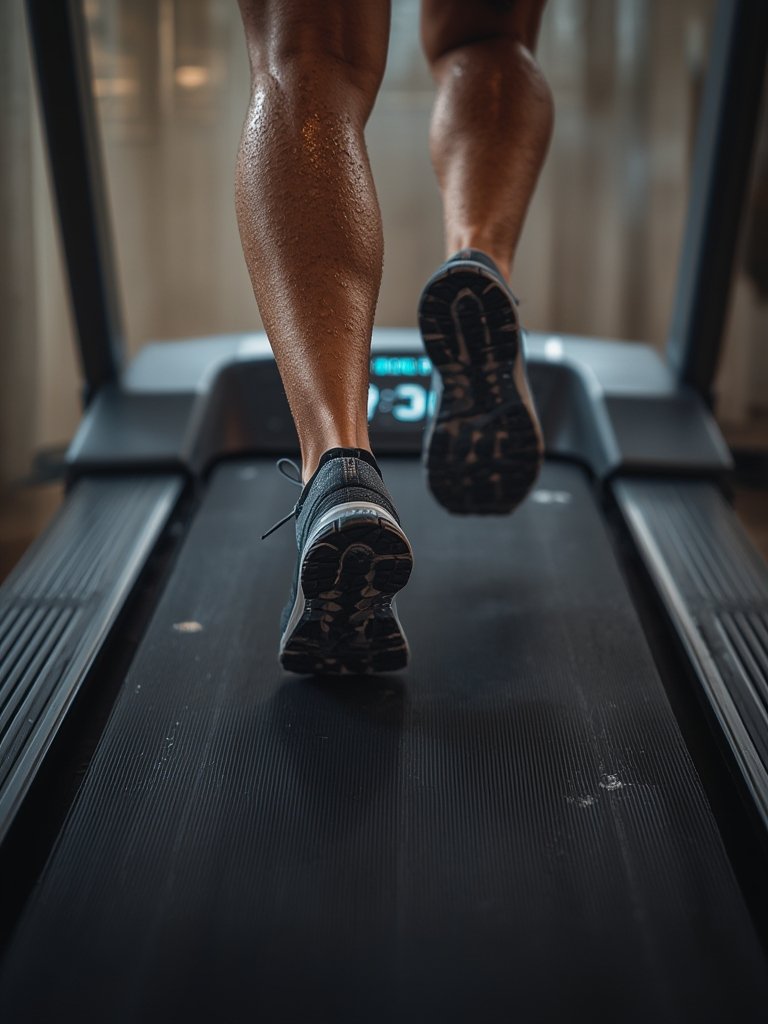
The 12-3-30 treadmill workout means you walk on a treadmill at a Why does it matter? Studies from the American Council on Exercise (ACE 2025 study) and international exercise science labs confirm: this specific combo significantly increases calorie burn and fat use compared to flat walking, with an average of about 220 kcal used per half hour in tested adults. Uniquely, 12-3-30 pushes your heart rate reserve—solidly moderate-intensity. It’s accessible for many, enjoyable for a lot of users, and theoretically supports fat loss if done as part of a sustainable plan. But there’s a catch: not everyone can jump into 12 percent incline and 3 mph comfortably, and new research shows it’s less time-efficient for calorie burning than running or certain gym machines. So, knowing how to start safely—and what to expect—makes a big difference in real results. Done right, the 12-3-30 treadmill workout is simple. But safety, setup, and individual adaptation matter. Here’s exactly how to do it, plus ways to adjust. How often? Most experts recommend doing this (or a progression toward full 12-3-30) three to five days per week. Always pair workouts with nutrition choices that support fat burning to maximize results. The research on 12-3-30 treadmill workout highlights both its strengths and some overlooked downsides. Here’s what most people miss—and how to avoid common problems. Unlike treadmill running or vigorous elliptical training, 12-3-30 burns calories more slowly per minute—about 220 kcal in a typical 30 minute session per multiple peer-reviewed studies. You’ll need longer sessions—or more days per week—to match the total calorie deficit of shorter, higher-intensity options. Many beginners struggle with the full 12-3-30 settings. Incline walking at this steep grade is more intense than most expect, especially for those with extra weight, weak knees, or cardiac history (clinical sources). If you notice pain, excessive fatigue, or can’t talk, that’s a red flag to scale back. Not all home treadmills can reach 12 percent incline safely—or at all (equipment guide). Many “budget” machines top out at 10 percent or become unstable or loud at max grade. Check for at least a 2.5 CHP motor for steady belt speed if buying new. Doing the exact same climb at the same speed for months leads to mental burnout and weight loss stalls. Most evidence-based trainers recommend rotating with other options: try adding thermogenic workout routines, zone 2 cardio for fat loss, or turning one day into a strength-based day for continued progress. Despite what TikTok makes it look like, 12-3-30 isn’t a miracle shortcut. See the full data and real-world context in the ACE study press release and direct metabolic comparison study. It helps with fat burning, but only as part of a calorie-controlled program and progressive plan. The 12-3-30 treadmill workout, backed by research, offers a medium-calorie, high-fat-burning routine ideal for those who want joint-friendly cardio. But starting at max incline and speed is rarely necessary—or safe—for beginners. Whether you adapt the settings, rotate with cycling or elliptical, or include thermogenic fat burner supplements or medical options, remember the big picture: only consistent effort and slow, progressive overload get real fat loss results. Ready to try the 12-3-30 treadmill workout? Adjust to your level, track your progress, and combine with smart eating for best results. If you’re unsure where to start, see our evidence-based nutrition guide and zone 2 cardio tips for next steps. Yes, studies show the 12-3-30 treadmill workout burns around 220 calories per session and increases the proportion of fat used for energy. For fat loss, what matters most is consistency and overall calorie balance. You can start with lower incline (3-5 percent) or slower speed (1.5–2.5 mph), then gradually increase weekly as your fitness allows. This is safer and better for adherence. For some, steep incline walking can strain knees, hips, or lower back, especially with preexisting issues. Reduce the incline and speed, or alternate with cycling or elliptical if you feel pain. Moderate cycling or elliptical often burns equal or more calories in the same time and is easier on joints for many users. 12-3-30 is best for those who want structured walking and don’t mind the incline’s extra challenge. Your treadmill must be able to hit at least 12 percent incline and adjust speed in 0.1 mph increments. Many basic home models max out at 10 percent or feel unstable at steep inclines, so check your manual or buy accordingly. —
Step-by-Step Guide
Advanced Analysis & Common Pitfalls
1. Time Efficiency and Calorie Burn
Workout Type (30 min) Approx Calorie Burn Impact Fat-Loss Notes 12-3-30 Incline Walk ~220 kcal Low, but high joint load at steep incline Higher percent fat burn vs running,
but less total calories per minuteModerate Cycling 210–350 kcal Low Great for joint pain, more time-efficient for calorie deficit Elliptical (Moderate) 270–400 kcal Low Full body, typically higher caloric output per minute Running (Self-paced) ~300 kcal (varies greatly) High More impact, highest calorie burn per minute, not joint-friendly 2. High Joint and Heart Demands for Some
3. Equipment and Setup Limitations
4. Boredom and Progress Plateaus
5. Unrealistic Social Media Expectations

Conclusion
FAQ
Is the 12-3-30 treadmill workout good for fat loss?
What if I can’t handle 12 percent incline or 3 mph yet?
Will 12-3-30 hurt my knees or back?
How does 12-3-30 compare to cycling or elliptical for fat burning?
Do I need a special treadmill?