

### Blog Post:
Natural fat burning foods have become a top trend for anyone trying to boost metabolism and manage weight naturally. With new research separating fact from fiction, it’s important to know exactly which foods work, what to expect, and where to avoid hype.
Key Takeaways
- Clinical evidence for natural fat burning foods is modest—no single food burns fat dramatically without diet and exercise.
- The most evidence-supported options are green tea, chili peppers, high-protein foods, and high-fiber foods like legumes and whole grains.
- Misunderstanding serving sizes, effects, and risks is the number one reason results often disappoint.
- What Are Natural Fat Burning Foods & Why Do They Matter?
- How To Use Natural Fat Burning Foods: Step-By-Step Guide
- Advanced Analysis & Common Pitfalls
- Conclusion
- FAQs
What Are Natural Fat Burning Foods & Why Do They Matter?
Natural fat burning foods are ingredients—mostly whole foods—that can slightly increase your energy expenditure (metabolism) or help your body burn more fat for energy, based on clinical trials. Unlike thermogenic fat burner supplements, these foods are part of everyday diets and come with nutrients, fiber, and protein that support long-term health.
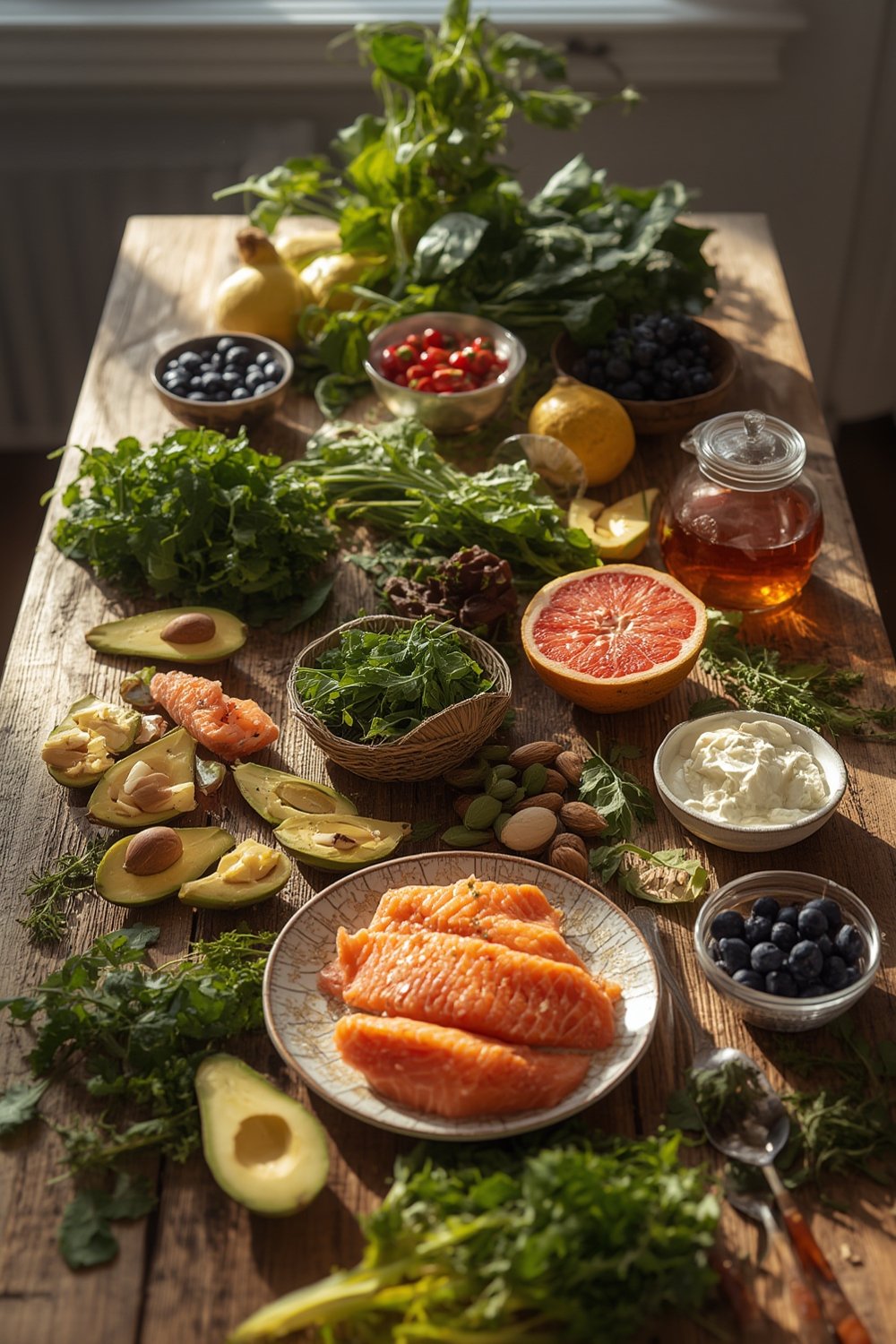
The top clinically supported natural fat burning foods include:
- green tea (for its catechins and caffeine), shown to provide a modest boost in energy expenditure when consumed regularly (source).
- chili peppers (capsaicin) can increase post-meal calorie burn and fat oxidation (source).
- high-protein foods like lean meats, fish, dairy, tofu, and legumes increase feelings of fullness and require extra energy to digest (source).
- high-fiber foods such as beans, lentils, and whole grains slow digestion, control appetite, and are linked to better fat distribution (source).
However, the effect is physiologically small—usually just a few dozen extra calories burned per day. The biggest wins come from combining these foods with overall calorie control and regular activity. These foods support but never replace proven strategies like balanced eating or a personalized fat loss plan for men.
How To Use Natural Fat Burning Foods: Step-By-Step Guide
For best results, leverage natural fat burning foods as part of an overall metabolic-boosting meal plan. Here’s how to get the balance right:
- Drink 2–4 cups of green tea spread through the day. This matches most research protocols and maximizes catechin intake. Avoid high-dose extracts, especially if you have liver or heart conditions.
- Add chili peppers to 1–2 meals daily. Use fresh, dried, or flakes according to tolerance—about half a teaspoon is enough for a metabolic effect, but adjust for your spice level.
- Prioritize high-protein foods at each meal. Include lean meats, tofu, beans, lentils, Greek yogurt, or eggs. Aim for at least 20-30g of protein per main meal, or about 1.2–1.6g protein per kg body weight daily for most adults.
- Focus on fiber-rich foods. Get beans, lentils, whole grains, or high-fiber vegetables at most meals. Target at least 25g (women) or 38g (men) fiber per day. Increase gradually to avoid digestive upset.
- Use berries and nuts as additions—not calorie bombs. A handful of berries or a small serving of nuts can provide extra fiber and polyphenols, but keep portions modest (about 1 ounce of nuts or 1 cup berries).
It’s critical to integrate these foods into a fat-burning diet plan rather than focusing on isolated items.
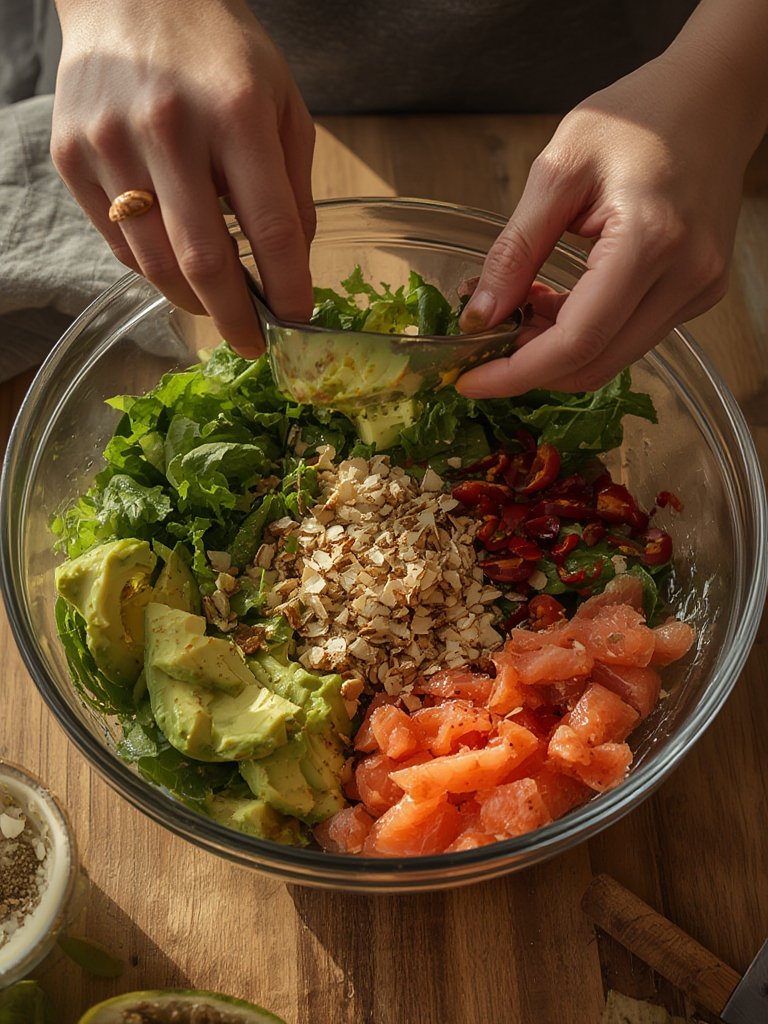
- Adapt your plan for preferences, allergies, or intolerances. If you can’t have dairy, use fermented soy like tempeh or unsweetened yogurt alternatives for protein.
- Emphasize affordable, accessible foods. Legumes, whole grains, and local produce are usually the best “bang for buck” natural fat burning foods.
- Watch out for portion creep with calorie-dense foods like nuts and seeds.
For those seeking adjunct support, review the pros and cons of thermogenic fat burners but keep expectations realistic.
Advanced Analysis & Common Pitfalls
What commonly goes wrong with natural fat burning food diets?
- Expecting dramatic weight loss from food alone. Even the most proven foods like green tea or chili peppers produce very modest extra calorie burn. Without calorie control and activity, results likely stall.
- Adding “metabolic” foods on top of a high-calorie diet. Simply sprinkling chili on pizza or drinking green tea with dessert doesn’t offset a calorie surplus.
- Ignoring serving sizes or side effects. Too much green tea or hot pepper can cause GI issues, insomnia, or interact with medications. Too little protein or fiber brings no benefit.
- Falling for “fat-burning water/detox” fads. While popular, these have little metabolic impact compared to actual foods that require digestion and metabolism support (source).
| Food/Strategy | Pros | Cons |
|---|---|---|
| Green Tea | Small boost in energy expenditure and fat oxidation; easy to add daily | Caffeine may cause insomnia, anxiety; extract supplements can harm liver |
| Chili Peppers (Capsaicin) | May double calorie burn for a few hours post meal; satiating for some | Digestive discomfort, especially with GI issues or reflux |
| High-Protein Foods | Increases calorie burn during digestion; supports muscle mass | Risky for kidney/liver issues; overconsumption without exercise can lead to excess calories |
| High-Fiber Foods | Appetite control and better visceral fat profile | Bloating/gas if increased too quickly; some with IBD/IBS need caution |
| Fat-Burning “Detox” Waters | Hydrating; low-calorie | No proven metabolism effect at normal doses |
Another big pitfall is neglecting affordable foods. Legumes, whole grains, and locally grown vegetables provide the most cost-effective support for a fat burning diet when compared to more expensive “superfoods” like imported berries or nuts (source).

For a more in-depth guide to combining fat-burning foods with training, see our thermogenic workout routines resource.
Conclusion
To sum up, natural fat burning foods—like green tea, chili peppers, high-protein meals, and fiber-rich legumes—can offer small but real metabolic benefits when used the right way. The key is realistic expectations: these foods support but do not replace proven strategies like calorie control, dietary balance, and increased activity. Be aware of serving sizes, possible side effects, and don’t fall for miracle claims. If you want sustainable results, stay informed, combine approaches, and use natural fat burning foods as part of a long-term, healthy routine.
Ready to take the next step? Check out our full list of fat burning recipes or join our newsletter for ongoing expert tips!
FAQs
Which natural fat burning food works best for most people?
Green tea and chili peppers have the most consistent evidence for boosting metabolism slightly. High-fiber foods and lean proteins help with appetite and fat distribution. For best results, combine several of these in a balanced plan.
How much green tea or chili pepper do I actually need?
Most research uses about 2–4 cups of green tea daily and chili amounts equivalent to 1–2 small hot peppers or 0.5–1 teaspoon dried pepper per day. Always adjust for personal tolerance and existing health conditions.
Are “detox waters” or “fat-burning soups” effective for real fat loss?
Not for metabolism. These drinks and soups are low in calories and hydrating but don’t significantly increase calorie burning. Their main benefit is appetite control if they replace higher-calorie snacks or meals.
What are the main side effects or risks with fat-burning foods?
Possible side effects depend on the food. Green tea can cause insomnia or GI upset, especially in sensitive people. Chili may cause heartburn. High-fiber foods can cause gas if added too fast. Always introduce changes gradually and consult a professional if unsure.
How do natural fat burning foods compare to supplements?
Supplements may deliver higher doses but increase risk for liver or GI side effects. Foods provide nutrition and are safer for most people. For info on supplement risks and benefits, see our guide to thermogenic fat burners.