

12-3-30 treadmill workout is a viral fat-burning walking routine that promises results with low joint impact and just 30 minutes a day. Does the research back up the hype? Here’s what the latest scientific evidence and real-world testing show about this trending workout.
Key Takeaways
- 12-3-30 burns about 220 calories per session, with a higher percentage of fat used for fuel than running at the same calorie burn.
- Fat loss is gradual—expect about 1–4 pounds over 4–12 weeks if your diet and other activity stay the same.
- This routine is challenging for beginners. Progress slowly and adjust incline, speed, and session time for your fitness level.
- What is the 12-3-30 Treadmill Workout?
- Step-by-Step Guide to Doing 12-3-30
- Advanced Analysis & Common Pitfalls
- Conclusion
- FAQ
What is the 12-3-30 Treadmill Workout?
The 12-3-30 treadmill workout means walking on a treadmill set at a 12% incline, at 3 miles per hour, for 30 minutes straight. It was popularized by Lauren Giraldo’s viral videos and has been widely shared as an accessible but demanding low-impact fat burning routine.

The science is clear: incline walking at this setup drives heart rate and calorie burn much higher than flat walking. Research from ACE and peer-reviewed studies found 12-3-30 uses about 40% fat for fuel and is moderate in intensity for most adults. Still, it’s not a magical transformation—sustained results require consistency, realistic expectations, and attention to progression and recovery.
Step-by-Step Guide to Doing 12-3-30
- Warm up for about 3–5 minutes at an easy pace and 0–3% incline to get legs, joints, and heart rate ready.
- Set the treadmill to 12% incline and 3.0 mph. Double-check the incline—many treadmills default to a lower grade.
- Begin walking for 30 minutes. Focus on good walking posture, engage glutes and hamstrings, and try to swing your arms naturally.
- Don’t grip the rails if possible (unless for occasional safety)! Light fingertips are okay for new users, but your actual calorie burn drops if you always hang on.
- Cool down at the end: 3–5 minutes at a much lower incline and slower speed to bring your heart rate down and help recovery.
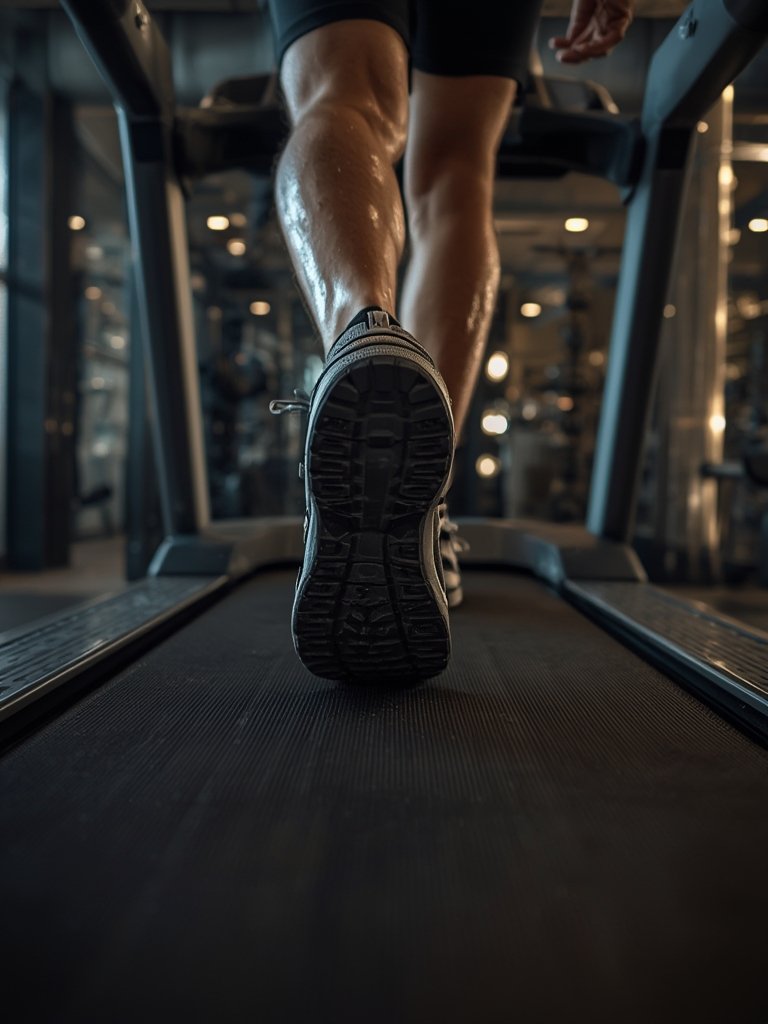
- Intensity check: Most adults will be in moderate-intensity (about 47% of heart rate reserve on average per ACE data).
- Safety first: Beginners, older adults, or anyone with a history of joint or heart issues should talk to a doctor or physical therapist before starting this or any incline program.
How to Progress: Incline, Speed, Duration
- Start with as little as 10–15 minutes at 4–6% incline, then add 2–5 minutes or 1–2% incline each week.
- Shorter or less steep sessions still burn more calories than flat walking! Focus on gradual gains and sustainable effort.
- If you notice muscle soreness or joint pain, consider dropping the incline, decreasing speed, or taking a “deload” week before returning to higher levels.
For more progression ideas, see our thermogenic workout routines and zone 2 cardio fat loss guides for programming tips across fitness levels.
Advanced Analysis & Common Pitfalls
Despite the simplicity, the 12-3-30 fat burning workout has drawbacks and challenges that science and real-world users point out:
| Issue | Impact | How to Fix/Prevent |
|---|---|---|
| Too steep for beginners | Can cause muscle soreness, shin splints, or joint pain, especially in lower body or back | Start at lower incline/speed; progress slowly over 2-6 weeks |
| Not time-efficient for max calorie burn | Running or HIIT burns more calories per minute and requires less total time for equivalent calorie burn | Use for low-impact days; combine with thermogenic workout routines when you want higher time efficiency |
| Boredom/monotony | Users report adherence slips if they feel bored during 30-min blocks | Alternate with other routines, change up your entertainment, try intervals or music playlists |
| Risk of slow or no visible fat loss | Exercise alone burns modest calories; without dietary change, the scale may barely move | Pair with calorie-aware eating; try natural fat burning foods and increase NEAT (step count) |
| Not accessible for all groups | Shorter users, people with balance problems, or those new to exercise may find the incline and speed unsafe | Lower incline (4–8%), slower speed (2–2.5 mph), or interval approach as alternatives |
Clinical data from the International Journal of Exercise Science confirms these challenges: 12-3-30 is more time-consuming than running for the same calorie burn, and its intensity can be unexpectedly high for many people. Beginners particularly risk overuse injuries if they do not progress gradually. Even seasoned gym-goers should include lower-incline weeks or recovery days.
Fat loss timelines are often overpromised. In reality, if you perform 12-3-30 five days per week and change nothing else, you might lose about 1.25 pounds of body fat per month—more if you add moderate dietary restriction or extra activity (see full ACE study PDF).
For men looking for faster fat loss, adding structured resistance training and considering fat burner supplements for men may help maximize results, according to recent trends.
Costs & Equipment
- If you want to do 12-3-30 at home, your treadmill must reach 12% incline. Good-quality models cost $700 to $1,500+ in 2024 (NordicTrack).
- Most commercial gyms have suitable treadmills; membership fees range from $10 to $80/month.
- No specialty clothing needed beyond supportive walking shoes.
Fat Burn: 12-3-30 vs. Other Cardio Routines
- 12-3-30: ~220 calories per session (ACE Study). ~41% of energy from fat (IJES study).
- Self-paced running: More calories in less time, but a lower share from fat.
- HIIT treadmill: Even higher per-minute burn (thermogenic fat burners can give a similar effect), but greater injury risk and less accessibility.
- Flat walking: Only half (or less) of the calorie burn of 12-3-30 at the same pace.
If you want a joint-friendly routine, the mobility workout for fat loss guide offers an even lower-impact option with solid fat-burning potential.

Conclusion
The 12-3-30 treadmill workout offers a realistic, proven way to boost calorie burn and favor fat loss with very low joint impact. But the real results depend on steady progression, a sustainable pace, and combining this routine with diet and overall activity changes for bigger fat loss. If you’re looking to maximize your results, combine the 12-3-30 treadmill workout with resistance training, NEAT, and healthy eating. Ready to try? Set your incline, start slow, and check your progress every few weeks.
Looking for nutritional support? See the latest on natural fat burning foods or explore GLP-1 weight loss science if you want to go even deeper.
FAQ
How many calories does the 12-3-30 treadmill workout burn?
On average, a 30-minute 12-3-30 session burns about 220 calories for typical adults, according to the ACE/Western Colorado University lab study. Individual numbers may be higher or lower depending on body size, fitness, and treadmill model.
Is 12-3-30 good for fat loss?
Yes, the 12-3-30 treadmill routine uses a higher percent of fat for fuel than running at the same calorie burn, supports moderate-intensity cardio, and is joint-friendly. But real fat loss comes down to total calorie balance—so diet and overall activity matter most.
Should I do 12-3-30 every day?
Most experts recommend 3–5 sessions/week, with lower-incline or rest days in between to reduce injury risk and keep up motivation. If you’re new to exercise, start with 2–3 sessions or shorter durations and build up slowly.
Can beginners do the 12-3-30 treadmill workout?
Beginners should use caution—12% incline is much steeper than most casual walking. Start at a comfortable incline (4–6%), lower speed, or try intervals. Gradually progress toward the full routine as you adapt.
What’s better for fat loss: 12-3-30 or HIIT?
HIIT burns more calories per minute and is more efficient for time-strapped users, but it’s higher impact and not suitable for everyone. 12-3-30 is easier on the joints and uses more fat percentagewise but requires more total time for the same calorie burn.